Open 7 days · Mon–Sat 8am–6pm · Sun 8am–3pm

214 Queen St, Campbelltown

(02) 4601 5489
Book online

Treatments / Restorative

Repair what's damaged. Replace what's missing.

Crowns, bridges, implants, dentures and root canal treatment for teeth affected by decay, injury or tooth loss.

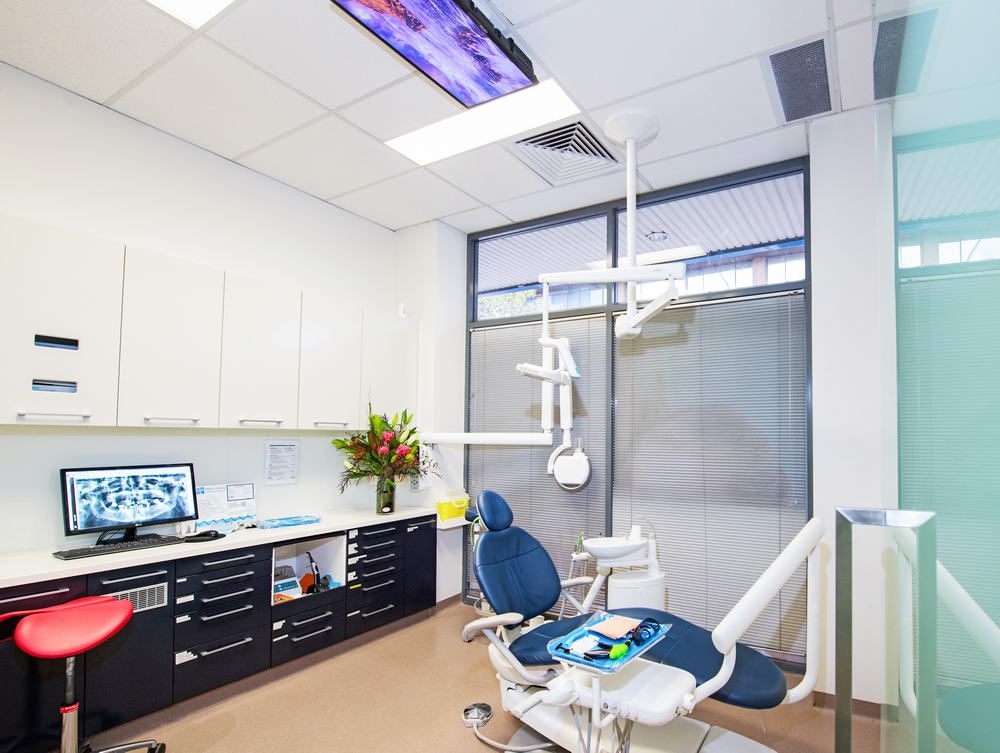
A treatment room at Campbelltown Dental Care
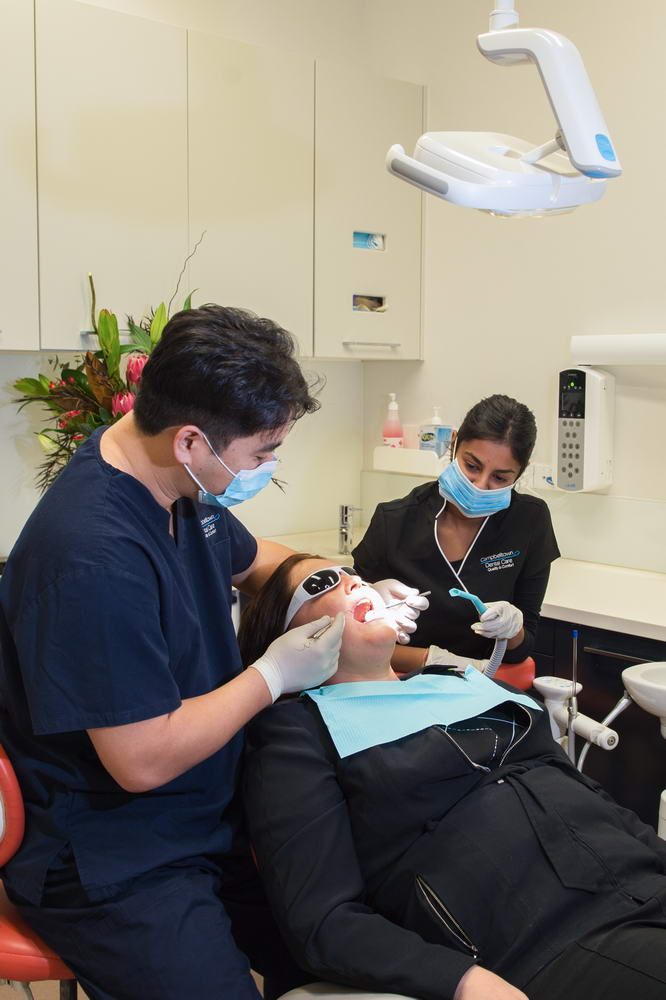
A dentist and assistant treating a patient

Open 7 days

Your options at a glance

Restorative dentistry restores the look and function of teeth affected by decay, trauma or injury. Your dentist will explain which options suit you.

Cap a tooth

Crowns

A crown is made in a laboratory from an impression of your tooth and covers it completely. Crowns are often used to replace a large filling, protect a weakened or cracked tooth, cap a tooth after root canal treatment, cap an implant or anchor a bridge. Porcelain and ceramic crowns match the colour of your teeth; gold, alloy and acrylic are other options, often used for back teeth.

Fill a gap

Bridges

A bridge replaces one or more missing teeth. It usually has two anchoring crowns (abutments) holding false teeth (pontics) in the gap. Like crowns, bridges are fixed in place and can only be removed by your dentist. A bridge can help you eat and speak naturally and stop nearby teeth shifting out of position.

Replace a root

Dental implants

An implant is a titanium replacement for a natural tooth root, with a crown (or a bridge, for several teeth) attached on top. It's one option for replacing missing teeth, and your dentist will explain whether it suits you.

Removable

Dentures

Custom-made, removable replacements for missing teeth. Complete dentures replace all the teeth in the upper and/or lower jaw, on a gum-coloured acrylic base. Partial dentures replace a few teeth, usually on plastic bases joined by a metal framework, held by clasps or precision attachments. Dentures don't need surgery.

Save a tooth

Root canal treatment

Needed when the pulp, the soft tissue inside the tooth, becomes infected or inflamed. This can follow deep decay, a crack or chip, repeated work on the same tooth, injury or a problem with an old filling. Treatment is usually completed in one to two visits and lets you keep your natural tooth.

Repair

Fillings

The tooth is cleaned and dried, then the filling is applied and shaped to blend in with your tooth, in looks and function.
What to expect

What happens during root canal treatment?

Under local anaesthetic, with a dental dam in place, the infected pulp is removed. The inside of the tooth is cleaned and disinfected, the canals are filled with a material called gutta-percha, and the tooth is sealed with a temporary crown. Two to three weeks later you come back to have a permanent custom crown fitted, matched to your tooth colour.

How does getting an implant work?

It starts with a free implant consultation: an assessment of whether implants suit you, a digital scan and a discussion of your treatment plan and costs. The titanium implant is then placed, and sedation options are available. Over 8–12 weeks the implant fuses with the jawbone; for teeth that show, a temporary restoration is provided. Finally, a custom porcelain crown is attached.

Full or partial dentures?

Complete dentures are for people who have lost all their teeth in one or both jaws. Partial dentures are for people who still have some healthy natural teeth, and can help stop those teeth shifting into the gaps. Both are made to fit your mouth and matched in size, shape and colour.

Crown and bridge or implant?

Your dentist will help you decide, including which materials to use based on where the tooth is, how it needs to work and how it should look.

Spreading the cost

Interest-free payment plans, Zip and SuperCare are available. See fees and payment options.

Talk through your options with a dentist.

214 Queen St, Campbelltown. Open seven days.