Prevention first
The practice's approach is simple: stop problems before they start, and explain what's going on so you can look after your teeth at home. Common problems the team deals with include toothache, sensitivity, decay, erosion, wisdom teeth, gum disease, dry mouth and bad breath.
Every 6 months
Regular check-ups
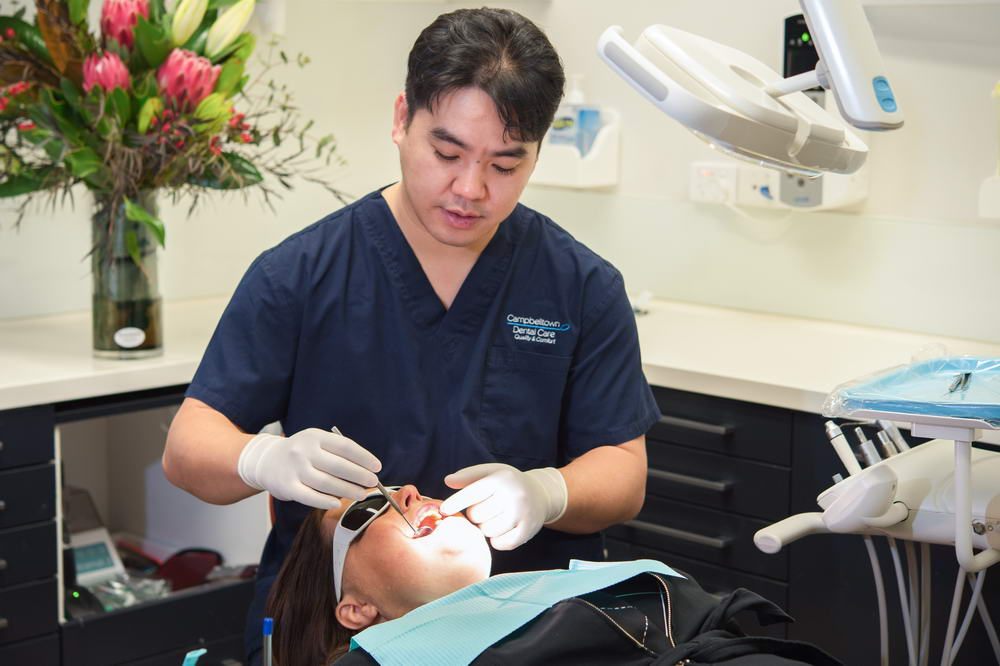
As a general rule, people see their dentist at least twice a year. Some people need to come more often, including smokers, people with a weakened immune system and people with type 1 or type 2 diabetes. At a check-up your dentist carefully examines your teeth and gums, screens for signs of oral cancer and gives you practical advice.
Clean
Scale and polish
A professional scale and clean is part of the practice's preventive care, along with advice on cleaning your teeth properly and mouthguards.
Repair
Tooth-coloured fillings
Fillings repair decayed teeth and help stop decay going further. Tooth-coloured fillings blend in with your teeth and give a smooth surface that food is less likely to stick to.
Protect
Fissure sealants
A thin plastic coating on the chewing surfaces of the back teeth. It keeps food and bacteria out of narrow grooves that are hard to clean. Often recommended for children once their first permanent molars come through, usually around 6–7 years. More on children's care.
Gums
Gum (periodontal) treatment
Gum disease starts as gingivitis: red, swollen gums that bleed easily, often with little or no discomfort. Gingivitis can be reversed with professional treatment and good care at home. Left untreated it can progress to periodontitis, where the tissue and bone supporting the teeth break down and teeth can become loose. Treatment aims to control the infection, and the plan depends on the cause and how advanced it is.
When needed
Extractions and wisdom teeth
When a tooth is too damaged or decayed to save, removing it may be the only option. Where a tooth can be saved, root canal treatment is often done instead. Wisdom tooth removal is also available.
Diagnosis
Dental x-rays
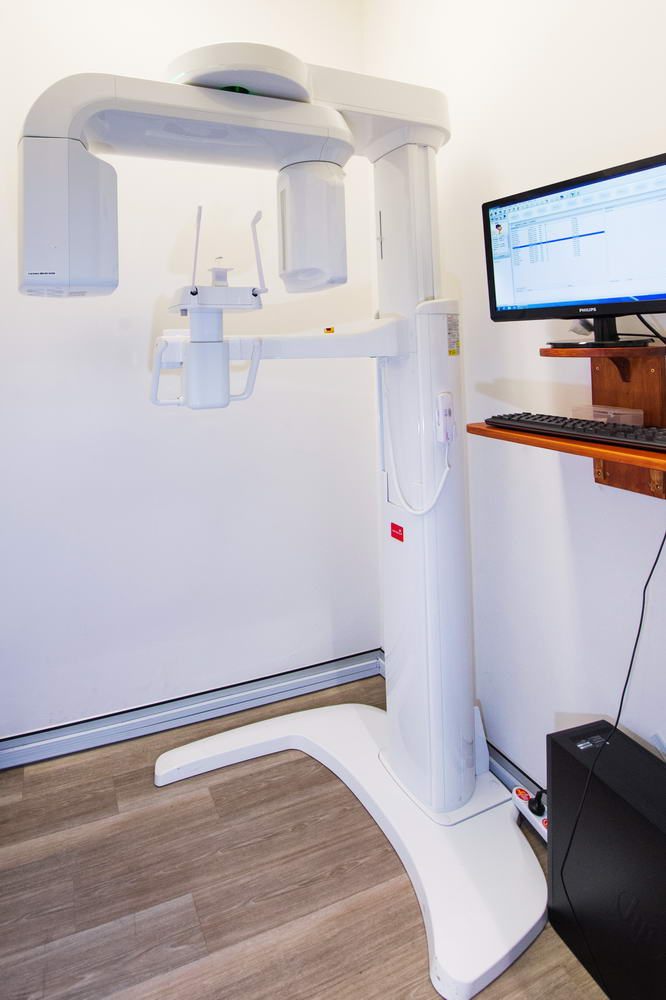
The practice takes intra-oral x-rays and OPG (full-mouth) x-rays on site, to see what can't be seen in a normal examination.
Signs of gum disease to look out for
- Red or swollen gums
- Gums that bleed easily
- Bad breath
- Pain when chewing
- Loose teeth
- Sensitive teeth
- Receding gums
Plaque is the main cause. Other things that make gum disease more likely include genetics, hormone changes, smoking and alcohol, diabetes and other medical conditions, some medications, diet and how well you clean your teeth.
Paying for it
With a health fund, most general and preventive treatment is No Gap. Without a fund, new patients can have a free initial consultation (x-rays, advised treatment and written reports are quoted separately). See fees and payment options.